
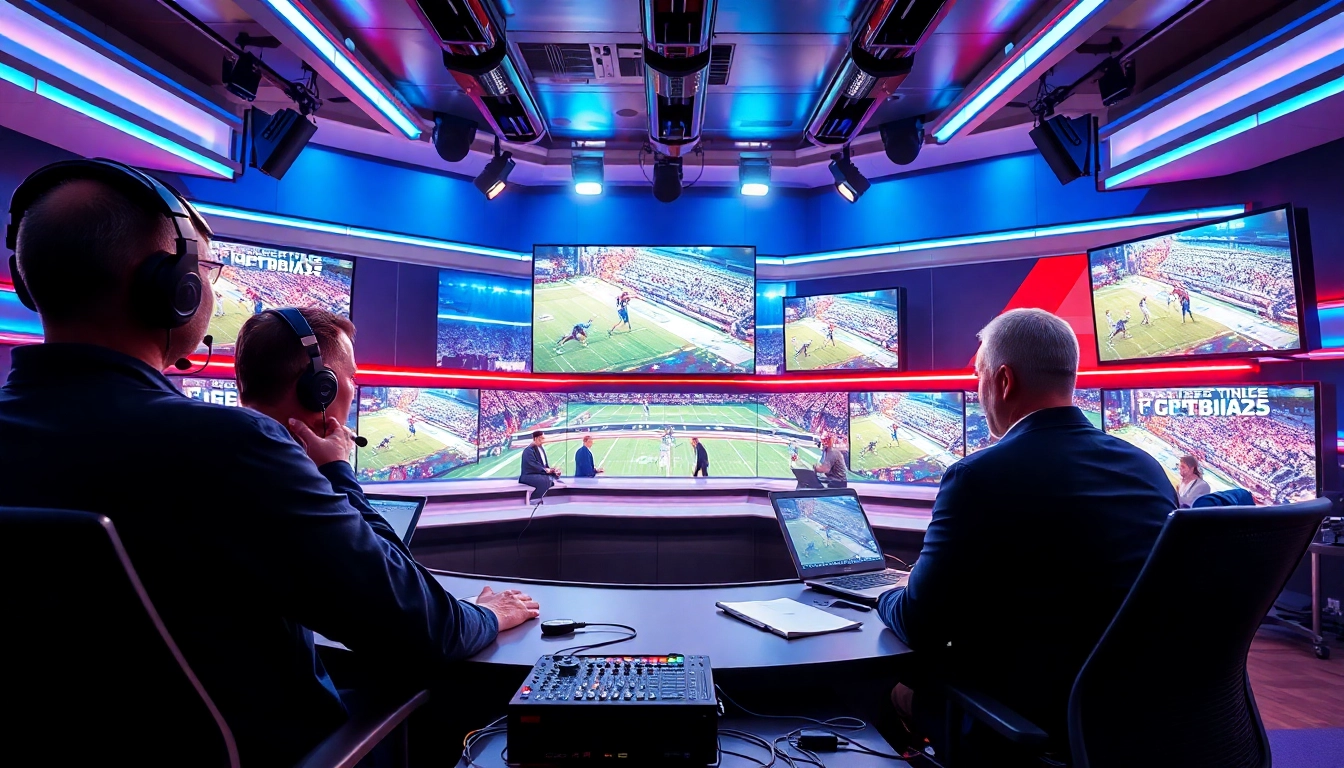
Understanding Sports Broadcasting
Defining Sports Broadcasting
Sports Broadcasting is the practice of airing live sports events and providing associated commentary through various media channels, including television, radio, and online platforms. This dynamic field not only captures the excitement of live sporting events but also enhances viewer engagement by offering insights, analysis, and behind-the-scenes coverage. An integral aspect of modern Sports Broadcasting involves adapting to rapidly changing media consumption habits, making it essential for broadcasters to innovate continuously.
The Evolution of Sports Broadcasting
The journey of sports broadcasting has been marked by significant technological advancements and a shift in consumer preferences. It began in the 1920s with radio transmissions, allowing sports fans to follow their favorite teams and athletes from their homes. As television emerged, this medium quickly became the dominant platform for broadcasting live events, creating a “watch party” culture that revolutionized how sports were consumed.
In recent decades, the rise of the internet has drastically changed the landscape. Streaming services have introduced new ways of accessing sports content, enabling viewers to watch on-demand and customize their viewing experience. Innovations such as mobile apps and social media integrations further enhance engagement, allowing fans to interact in real-time during games.
Key Components of Sports Broadcasting
Successful sports broadcasting relies on several key components:
- Production Quality: High-definition video and clear audio are essential for delivering an immersive viewing experience.
- Expert Commentary: Skilled commentators provide valuable insights, adding depth to the viewing experience and helping fans understand complex aspects of the game.
- Audience Engagement: Broadcasters must connect with their audience through interactive elements, social media integration, and on-screen data analytics.
- Timely Broadcasts: Delivering content promptly is crucial for viewer satisfaction, ensuring fans receive the latest updates as events unfold.
Technology in Sports Broadcasting
Essential Equipment for Sports Broadcasting
To achieve high-quality broadcasts, sports broadcasters rely on a suite of essential equipment. This includes:
- Cameras: From standard-definition to high-definition and 4K cameras, the technology used directly affects the viewing quality.
- Microphones: Clear audio is critical; therefore, various microphones, including lapel, handheld, and boom mics, are utilized to capture sounds effectively.
- Mixing Consoles: These devices allow for the real-time management of sound levels from various audio sources, ensuring a balanced output.
- Broadcasting Software: Special software is employed to manage video mixing, ad insertions, and live streaming functionalities.
Integrating Digital Technology
As technology continues to evolve, so does the integration of digital platforms into sports broadcasting. This includes the use of augmented reality (AR) and virtual reality (VR) technologies to create immersive viewing experiences. Broadcasters can now overlay graphics and statistics onto live feeds, allowing viewers to delve deeper into the action.
Mobile applications play a vital role in this evolution, as they provide fans with live scores, detailed replays, and personalized content tailored to their preferences. Moreover, social media platforms enable real-time interaction, where fans can share their thoughts and reactions while watching the game.
Challenges of Modern Broadcast Technology
The adoption of advanced technologies in sports broadcasting brings various challenges. One significant challenge is ensuring reliable internet connectivity, especially for live streaming events. Any disruption can lead to a poor viewer experience, resulting in lost audience engagement.
Additionally, staying ahead with the latest technological trends often requires substantial investment. Broadcasters must balance the cost of cutting-edge equipment with the potential return on investment. Cybersecurity also poses a risk, as increased connectivity can expose broadcasters to data breaches and hacking attempts.
Content Creation in Sports Broadcasting
Crafting Engaging Sports Narratives
Telling compelling stories is vital in sports broadcasting. Engaging narratives can transform a simple game into an emotional experience. Broadcasters must focus on developing storylines around teams, players, rivalries, and the historical context of events.
This involves conducting thorough research, interviewing key figures, and understanding the cultural significance of sports within different communities. Successful narratives evoke excitement, inspire fans, and encourage ongoing viewership.
Best Practices for Live Commentary
Live commentary plays a crucial role in enhancing the viewing experience. A broadcaster’s ability to provide timely insights, maintain an engaging tone, and adapt to the flow of the game is vital. Best practices for live commentary include:
- Preparation: Commentators should familiarize themselves with teams, players, and statistics before the event to provide informed insights.
- Adaptability: The ability to pivot narratives based on the game’s momentum keeps content fresh and engaging.
- Clarity: Clear and concise language ensures audiences comprehend the information being presented without distraction.
Incorporating Viewer Interaction
Modern audiences crave interaction and engagement during live broadcasts. Broadcasters can incorporate viewer interaction by using live polls, social media questions, and audience commentary. Implementing features that allow fans to submit questions or contribute to discussions during broadcasts fosters a sense of shared experience.
Furthermore, utilizing platforms such as Twitter, Facebook, and Instagram to facilitate real-time discussions enhances community building among fans, deepening their connection to the sport and the broadcast.
Legal Aspects of Sports Broadcasting
Understanding Broadcast Rights
Broadcast rights are a fundamental aspect of sports broadcasting, determining who can air specific events. These rights are typically negotiated through contracts between sports organizations and broadcasters, often involving significant financial commitments. Understanding the intricacies of these agreements is crucial for broadcasters, as they dictate the scope of coverage, geographic restrictions, and whether the content can be shared on multiple platforms.
Navigating Copyright Issues
Copyright laws are paramount in sports broadcasting, protecting the intellectual property of creators and organizations. Broadcasters must ensure that they have the necessary licenses to air events, utilize music, and display logos or trademarks. Failure to adhere to copyright laws can result in legal complications, financial penalties, and damage to a broadcaster’s reputation.
Licensing and Compliance Considerations
Licensing is an essential requirement in sports broadcasting, as it governs the use of proprietary content. Broadcasters must navigate various regulations, such as securing rights for international broadcasts and adhering to local licensing laws. Compliance with these regulations not only protects the broadcaster but also supports the broader integrity of sports broadcasting as a whole.
Future Trends in Sports Broadcasting
Impact of Streaming Services
The advent of streaming services has dramatically transformed the landscape of sports broadcasting. Services like Netflix, Hulu, and specialized sports networks have created new avenues for content distribution, allowing consumers to choose their preferred ways of consuming sports. This shift presents opportunities for broadcasters to reach niche markets and deliver hyper-targeted content to specific audiences.
Moreover, streaming provides flexibility, allowing consumers to watch events at their convenience, a stark contrast to traditional programming schedules.
Emerging Technologies and Innovations
Emerging technologies are set to reshape the future of sports broadcasting significantly. Virtual reality and augmented reality applications promise to provide viewers with immersive experiences, taking them closer to the action than ever before. Additionally, artificial intelligence is being utilized to enhance broadcast production, providing automatic highlights and personalized content suggestions based on viewer preferences.
Predictions for the Future of Sports Broadcasting
As the landscape continues to evolve, several predictions can be made for the future of sports broadcasting. We anticipate a continuing shift toward mobile-first broadcasting strategies, with an emphasis on short-form content that caters to the shrinking attention span of audiences. Furthermore, as audiences increasingly demand interactivity, technologies that allow for real-time engagement and participation are likely to become standard practice in sports broadcasting.
Frequently Asked Questions
What is Sports Broadcasting?
Sports broadcasting involves the live transmission of sports events and commentary via television, radio, and online platforms.
How has Sports Broadcasting evolved?
Sports broadcasting has evolved from radio broadcasts to diverse digital platforms, incorporating advanced technology and viewer engagement.
What equipment is needed for Sports Broadcasting?
Essential equipment includes cameras, microphones, mixing consoles, and broadcasting software to ensure high-quality transmission.
What are the legal aspects of Sports Broadcasting?
Legal aspects include securing broadcast rights, adherence to copyright laws, and complying with licensing regulations.
What trends are shaping the future of Sports Broadcasting?
Streaming services and technological advancements like AR and VR are significantly shaping the future landscape of sports broadcasting.