
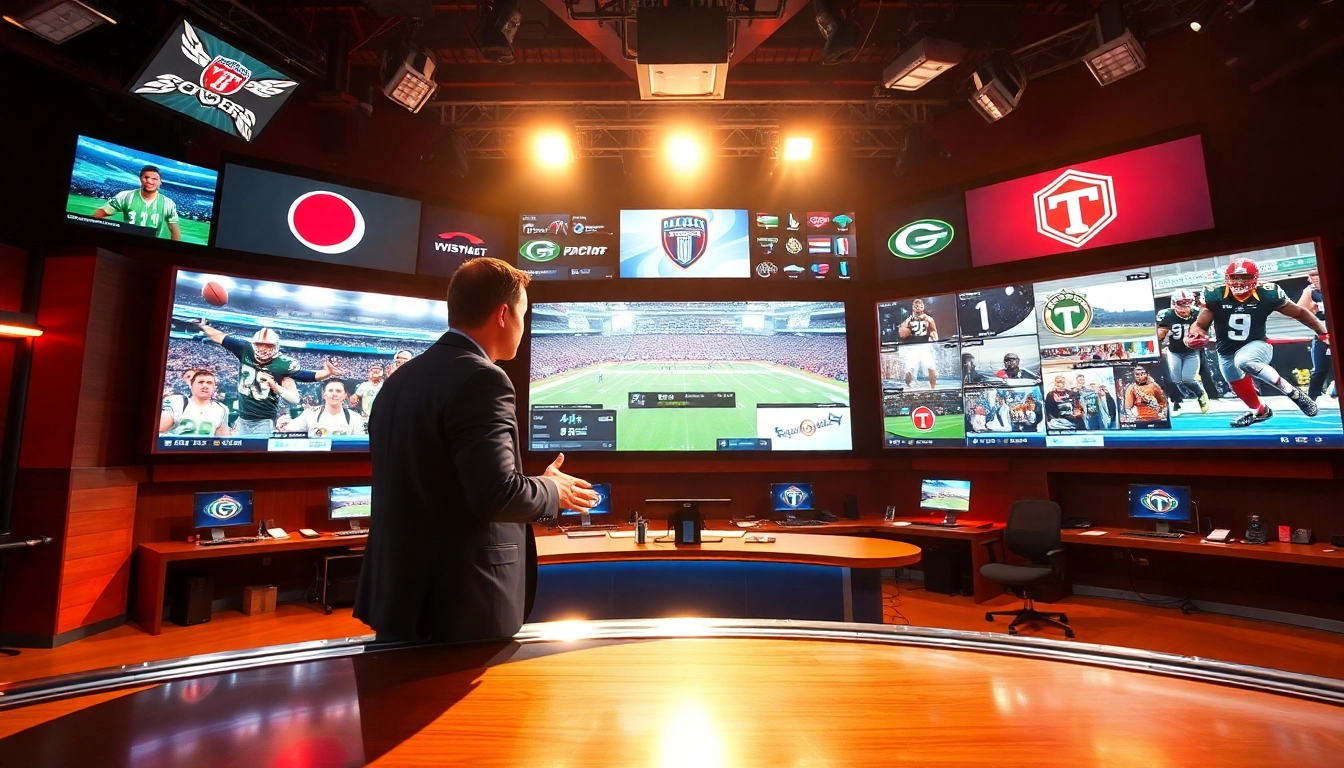
Understanding the Basics of Sports Broadcasting
What is Sports Broadcasting?
Sports broadcasting is the transmission of live and recorded sports events through various media platforms, including television, radio, and online streaming. This field encompasses not only the events themselves but also the surrounding commentary, analysis, and commentary by experts who bring insights to viewers. As audiences grow increasingly diverse in their consumption patterns, mastering the art of Sports Broadcasting becomes essential for engaging fans and delivering timely content.
The Evolution of Sports Broadcasting
The origins of sports broadcasting trace back to the early 20th century when radio emerged as a powerful medium for reaching wide audiences. The first live sports broadcast was a baseball game in 1921, marking the beginning of a new era. As technology progressed, television took over as the dominant medium, allowing for visual storytelling and bringing fans closer to the action. Recent developments have introduced digital platforms and social media, transforming how sports are consumed and opening new avenues for interaction and engagement.
Key Components of Effective Sports Broadcasting
Effective sports broadcasting relies on multiple components, including:
- Commentary: Providing play-by-play updates and insightful analysis enhances the viewer experience.
- Camera Work: Skilled camera operators capture the action and emotion of the event, crucial for maintaining viewer engagement.
- Storytelling: Narratives around players, teams, and events contextualize the sports and deepen audience connection.
- Technical Infrastructure: High-quality equipment and a well-organized broadcast team ensure smooth transmission.
Essential Skills for Sports Broadcasters
Communication and Presentation Skills
Strong communication skills are foundational for any sports broadcaster. Clear and articulate speech, sound grammar, and the ability to convey enthusiasm are vital. Effective presentation requires a broadcaster to not only inform but also entertain, creating an engaging environment for viewers.
Research and Preparation Techniques
Successful broadcasters invest significant time in research and preparation before any event. This includes studying team statistics, historical data, player profiles, and understanding trending storylines. Having a deep well of knowledge enables broadcasters to provide insightful commentary and respond effectively to unfolding events.
Technical Skills for Modern Broadcasting
With the rise of digital and social media platforms, modern sports broadcasters must be technologically savvy. Understanding how to operate broadcasting software, manage live feeds, and utilize graphics and replays is crucial for delivering a polished final product. Familiarity with emerging technologies, such as virtual and augmented reality, can also set broadcasters apart in an increasingly competitive landscape.
Challenges in Sports Broadcasting
Dealing with Live Event Pressures
Live events are often unpredictable, and broadcasters must be able to think on their feet. Quick decision-making is essential, as unexpected occurrences—like injuries or controversial referee calls—require immediate and skilled responses. Maintaining composure under pressure is crucial for providing a professional broadcast.
Managing Audience Expectations
In a world where audiences have myriad choices, managing viewer expectations can be challenging. Broadcasters must balance delivering high-quality content while keeping fans engaged and entertained, especially during less exciting moments in a game. Interactive elements, such as viewer polls and social media integration, can enhance engagement.
Navigating Ethical Considerations
Ethical challenges in sports broadcasting include issues related to transparency, bias, and the representation of athletes. Broadcasters must navigate their responsibilities to report truthfully without sensationalism, while also respecting athletes' privacy and narratives. Establishing credibility is vital as audiences increasingly prioritize transparency.
Harnessing Technology in Sports Broadcasting
The Role of Live Streaming and Digital Media
Live streaming has revolutionized sports broadcasting by offering fans access to events that might not be covered on traditional networks. Social media platforms further enhance reach, allowing for real-time interaction and audience engagement. Broadcasters now utilize these platforms not only for broadcasting but also for promoting events and involving viewers in unique ways.
Innovative Tools for Enhanced Viewer Experience
Technological advancements have introduced tools that enrich the viewer experience. Features like interactive graphics provide in-depth statistics during broadcasts, while augmented reality enhances visual storytelling by overlaying information on live video. Understanding and implementing these tools can significantly elevate the quality of sports broadcasts.
Future Trends in Sports Broadcasting Technology
Emerging trends in sports broadcasting point towards increased personalization and interactivity. Artificial intelligence is set to play a prominent role in analyzing viewer preferences and tailoring broadcasts accordingly. Furthermore, virtual reality provides opportunities for fans to experience sports in immersive environments, paving the way for innovative viewing experiences.
Measuring Success in Sports Broadcasting
Key Performance Indicators to Track
Success in sports broadcasting can be quantified through various key performance indicators (KPIs) such as viewer ratings, audience growth, engagement rates on social media, and advertising revenues. Monitoring these metrics ensures broadcasters can adjust strategies and enhance performance iteratively.
Assessing Audience Engagement
Measuring audience engagement involves analyzing viewer demographics, feedback, and participation rates in interactive elements. Surveys and social media interactions offer insights into how well audiences connect with broadcasts. Understanding engagement patterns is essential for refining content to meet viewer expectations.
Continuous Improvement Strategies
Continuous improvement in sports broadcasting requires adopting a feedback-driven approach. Gathering data from audience metrics and internal reviews helps in identifying strengths and weaknesses. Regular training and professional development ensure that broadcasters remain updated with industry standards and best practices.
Frequently Asked Questions
What qualifications do you need to be a sports broadcaster?
Typically, a degree in communications, journalism, or a related field is recommended. Practical experience through internships or entry-level positions is also crucial.
How can one improve their commentary skills?
Practicing regularly, studying great commentators, and getting feedback can significantly improve commentary skills. Public speaking courses can also be beneficial.
What technology is essential for sports broadcasting?
Key technologies include broadcasting software, high-quality cameras, sound equipment, and graphic tools. Familiarity with streaming platforms is also increasingly important.
How do social media interact with sports broadcasting?
Social media allows broadcasters to engage with fans in real-time, illuminating viewer perspectives and promoting broadcasts. It often serves as an extension of the live broadcast experience.
What ethical considerations should sports broadcasters keep in mind?
Broadcasters must maintain transparency, avoid bias, and respect the privacy of athletes. Ethics also involves responsible reporting without sensationalism.