The Evolution of Produk in 2026
The concept of Produk has undergone significant transformation over the decades, particularly as we move into 2026. As both consumers and market forces evolve, the way we define, produce, and market products must also adapt. In this article, we will explore not only the current trends shaping Produk but also provide actionable insights for businesses aiming to thrive in a competitive marketplace. By understanding these nuances, companies can better align their strategies with evolving consumer preferences, technological advancements, and sustainability initiatives. As you navigate the complexities of the modern market, resources like Produk can offer valuable insights and opportunities.
Understanding the Concept of Produk
In essence, Produk refers to both tangible goods and intangible services that fulfill consumer needs. The definition extends beyond mere objects; it encompasses the entire experience associated with consumption. For businesses, defining their Produk accurately is crucial for effective marketing and sales strategies. This includes understanding customer perceptions, defining quality, and delivering value that resonates with target audiences.
Historical Context and Market Shifts
The history of Produk can be traced back to the earliest forms of trade and commerce. Over centuries, the concept has evolved, influenced by cultural shifts, technological advancements, and economic conditions. For instance, the industrial revolution marked a significant shift where mass production changed how products were created and distributed. In today’s context, globalization and digital technologies have further transformed the landscape, making it essential for brands to innovate continually and respond to changing market dynamics.
Defining Characteristics and Types of Produk
Produk can be categorized into several types, each with distinct characteristics:
- Tangible Products: Physical items that can be touched and stored, such as electronics, clothing, and furniture.
- Intangible Products: Services or experiences that cannot be physically touched, like software, education, and entertainment services.
- Consumer Products: Goods meant for personal consumption, which can be further divided into convenience, shopping, specialty, and unsought products.
- Industrial Products: Goods intended for further processing or for use in conducting a business, including machinery, components, and raw materials.
Consumer Trends Impacting Produk Choices
How Consumer Preferences are Shaping Produk Development
As consumers become increasingly discerning, their preferences play a crucial role in shaping Produk development. Factors such as brand loyalty, product quality, and ethical considerations are more relevant than ever. Brands must engage in active listening to understand these preferences and make data-driven decisions in product design and marketing. Furthermore, personalization has become a significant factor, with consumers gravitating towards products that reflect their individual identities and values.
The Rise of Sustainable Produk
With growing awareness of environmental issues, sustainability has emerged as a central theme in Produkt development. Companies are now challenged to create eco-friendly products that resonate with environmentally conscious consumers. This trend not only reflects a shift in consumer values but also necessitates innovation in sourcing, manufacturing processes, and product lifecycle management. Brands that successfully integrate sustainability into their Produk can differentiate themselves in a crowded market.
Technological Influences on Consumer Behavior
In 2026, technology continues to be a driving force influencing consumer behavior. The rise of e-commerce platforms, mobile shopping, and social media is reshaping how consumers discover and purchase Produk. For example, augmented reality (AR) and virtual reality (VR) technologies are being utilized to enhance the shopping experience, allowing consumers to visualize products in their own environments before making a purchase. Additionally, big data analytics enable companies to tailor their offerings based on consumer habits, making for more relevant and effective marketing strategies.
Innovative Strategies for Marketing Produk
Utilizing Social Media Influencers to Promote Produk
Social media influencers have become pivotal in shaping consumer perceptions and driving purchasing decisions. Collaborating with influencers who align with brand values can amplify reach and authenticity. Brands can leverage the trust these influencers have built in their communities to promote Produk more effectively. It is vital, however, to choose influencers whose audiences match the brand's target demographic to ensure a successful partnership.
Data-Driven Marketing Approaches
Data analytics plays a crucial role in modern marketing strategies. By analyzing consumer behavior, feedback, and market trends, businesses can enhance their understanding of what their customers want and need, leading to more effective marketing campaigns. Implementing tools like AI and machine learning allows for predictive analytics, helping brands anticipate future trends and adapt their strategies accordingly.
Content Creation and Storytelling for Produk
Effective storytelling can create a deeper connection with consumers. By sharing the story behind a Produk—its creation, the people involved, and its impact—brands can foster emotional ties with their audience. This narrative approach not only enhances brand loyalty but also drives engagement across various platforms. Creating high-quality, valuable content around Produk can set a brand apart and position it as a leader in the industry.
Effective Distribution Methods for Produk
The Role of E-commerce in Produk Accessibility
E-commerce has revolutionized how Produk is distributed, making it easier for consumers to access a wide range of products from the comfort of their homes. This shift has prompted businesses to develop robust online storefronts and utilize various logistics solutions to ensure swift and efficient delivery. Moreover, the pandemic accelerated the adoption of e-commerce, and this trend shows no signs of slowing down as consumers increasingly prefer online shopping for its convenience.
Brick-and-Mortar vs. Online Sales Channels
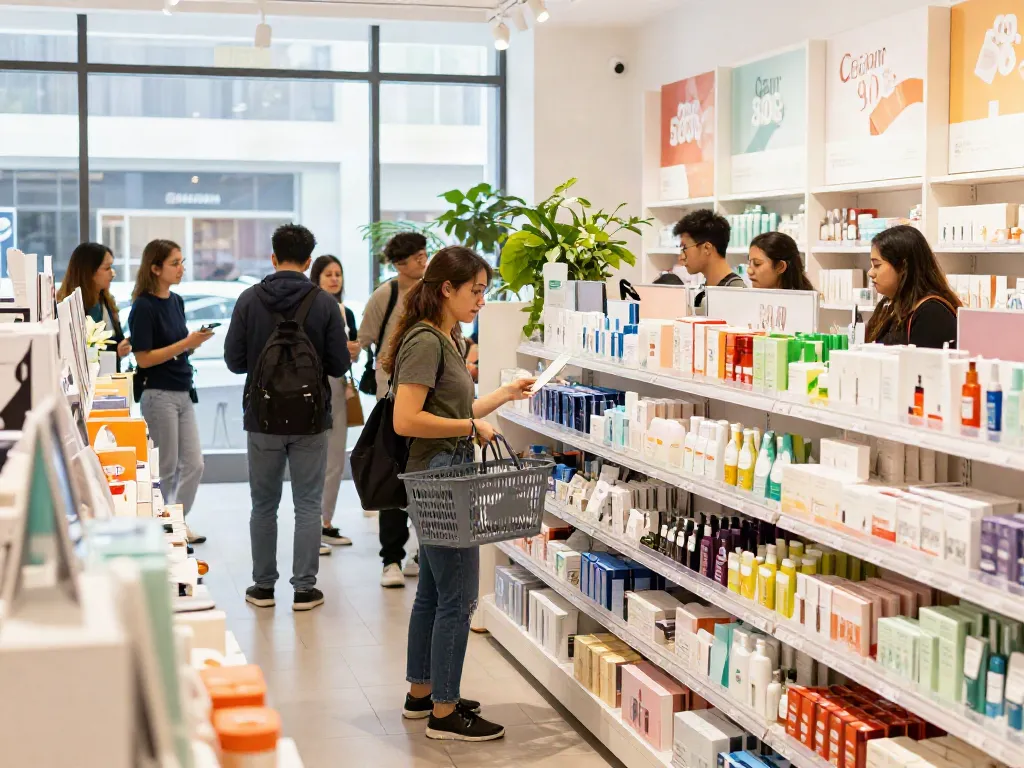
While online sales channels are on the rise, brick-and-mortar stores continue to play a significant role in the retail landscape. Many consumers appreciate the tactile experience of touching and trying products before purchase. Consequently, businesses are now adopting an omnichannel approach that blends both online and offline experiences to cater to diverse consumer preferences and maximize sales opportunities.
Global Trends in Produk Distribution
In 2026, global trends are significantly impacting how products are distributed. International trade agreements, shipping logistics, and regulatory frameworks influence how businesses navigate the global marketplace. Additionally, sustainability in logistics has gained importance, with companies exploring greener transportation methods to reduce their carbon footprint while maintaining efficiency in their distribution processes.
Future Predictions for Produk in 2026 and Beyond
Emerging Technologies and Their Impact on Produk
As technology continues to innovate, the future of Produk will be shaped by advancements such as artificial intelligence, machine learning, and blockchain. These technologies promise to enhance product development, optimize supply chains, and improve consumer engagement. For example, AI can streamline the production process, while blockchain can enhance transparency and traceability in supply chains, thus building consumer trust.
Anticipating Changes in Consumer Behavior
Looking ahead, businesses must be proactive in anticipating changes in consumer behavior. As demographics shift and new generations enter the market with different values and expectations, brands need to adjust their strategies accordingly. Personalization, ethical sourcing, and sustainability will likely remain key drivers of consumer preferences, necessitating that brands stay agile and adaptive in their approaches.
Preparing for Regulatory Changes Affecting Produk
The regulatory environment around Produk is ever-evolving, with increased scrutiny on sustainability practices, data protection, and consumer rights. Businesses must remain vigilant and adaptable to these changes, ensuring compliance while also leveraging any opportunities for differentiation. Staying informed about regulatory developments will be essential for maintaining a competitive edge in the market.
What is the definition of Produk?
Produk can be defined as any item or service that is offered to consumers in the marketplace to satisfy their needs or wants. This encompasses a wide array of goods from everyday items to highly specialized services.
How do I identify quality Produk?
To identify quality Produk, consumers should consider factors such as brand reputation, materials used, customer reviews, and return policies. Authenticity and commitment to quality are often reflected in a company’s practices and customer feedback.
What are the main types of Produk?
The main types of Produk include tangible products, intangible services, consumer goods, and industrial goods, each serving different markets and addressing various consumer needs.
What consumer trends are influencing Produk sales?
Trends such as sustainability, personalization, and technological integration are heavily influencing Produk sales, as consumers look for brands that align with their values and lifestyle preferences.
How can businesses adapt their strategies for Produk?
Businesses can adapt their strategies for Produk by embracing innovation, leveraging data analytics for decision-making, and focusing on customer engagement through personalized experiences and effective storytelling.